


The Symptoms of Bad Spark Plugs
The spark plugs of your car represent tiny parts which actually serve an essential function because they enable gasoline engines to produce power through combustion. When spark plugs start to fail because of their natural decline or because they become dirty or they sustain damage, drivers will notice engine performance problems which can be identified through diagnostic methods. The recognition of these problems enables you to identify system failures which would result in expensive repairs that would include catalytic converter and ignition coil damage.
Struggling to Start: Hard Starts and Cold-Morning Delays
The first practical sign that your spark plugs need replacement appears when you experience engine starting problems. Unlike a healthy start where the engine turns over quickly, worn plugs may fail to generate a strong enough spark to ignite the fuel-air mixture consistently. The situation becomes evident through extended cranking periods which people especially observe during cold mornings and after the vehicle remains parked for an extended time. The engine requires several starting attempts before it will eventually begin operation. The initial inspection should start with spark plug checks if you observe this symptom together with battery performance decline which does not occur because of battery aging.
Rough Idle and Misfires: When Combustion Goes Offbeat
The presence of faulty spark plugs leads to engine problems which create both engine performance stutters and engine running problems during stop periods. The engine misfires because one or multiple spark plugs fail to create combustion at the necessary times, which leads to engine stutters that occur during both idle and acceleration. The drivers explain this experience as the vehicle momentarily loses power while it creates excess vibration during idle operation. The symptoms show which parts of the engine malfunction because the engine component begins to overheat from persistent power loss.
Sluggish Acceleration and Loss of Power
The engine produces insufficient power under acceleration, which indicates the presence of damaged spark plugs, in addition to launching and engine starting difficulties. A spark plug which fails to properly ignite the air-fuel mixture causes the engine to lose combustion energy, which results in slower throttle response. This shortcoming is particularly evident in situations that require additional effort, like overtaking onto the highways or ascending steep inclines. The feeling that your car is lugging, or otherwise not reacting as it should be, is a symptom that needs to make you want to check the spark plugs and ignition components as well.
Ineffective Fuel Economy: Wasting More to Travel Less
Due to the direct effect of spark plugs on the combustion efficiency, the fuel economy usually loses as they wear out. A misfiring plug causes the engine to use more fuel to get the same power output or in other words you will be visiting the gas pump more often without a corresponding change in driving behavior. In other instances, fuel consumption may become a significant problem which may also contribute to the increased daily operating costs and emissions.
Check Engine Light and Unusual Engine Noises
The check engine light on your dashboard serves as the main warning signal which shows vehicle problems, while ignition troubles commonly stem from faulty spark plugs. The onboard diagnostic systems of modern vehicles identify engine misfire patterns and system inefficiencies, which leads to the engine control unit (ECU) activating the warning light whenever a misfire code emerges. The engine produces abnormal sounds like knocking, pinging, and rattling during combustion, which indicates presence of spark plug problems. The irregular cylinder burn cycles create these sounds, which people should consider serious enough to address.
Black Smoke and Visible Plug Deposits: Signs You Can See
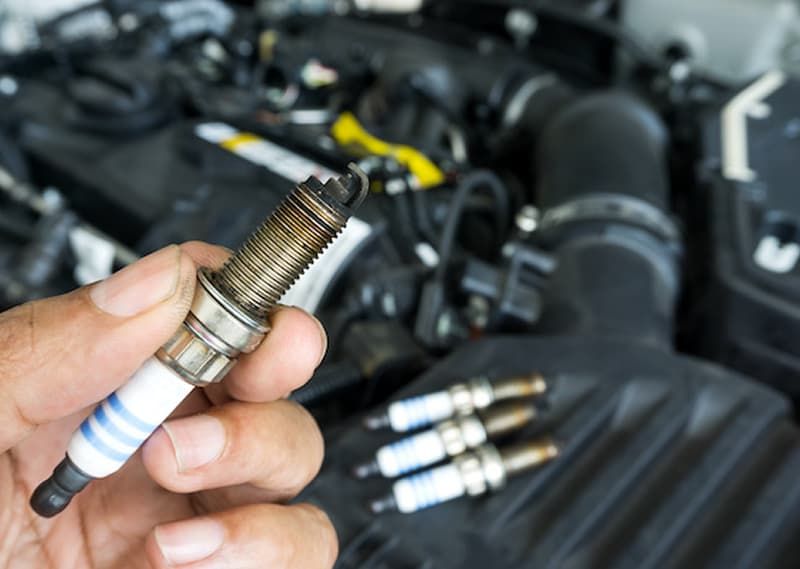
In the advanced stages of spark plug failure, the damage results in visible symptoms which affect both the exhaust and the appearance of the spark plugs. Too much black smoke coming out the tailpipe is a sign of incomplete combustion, which is a by-product of plugs that do not fire clean. By taking out the plugs to examine them, the heavy carbon, oily sediment or broken insulators can testify to their defective condition. These indicators can be handy to both the mechanics and the DIYers since they can directly associate the physical damage or grime with the engine performance issues.
 Disclaimer:
The content provided on our blog site traverses numerous categories, offering readers valuable and practical information. Readers can use the editorial team’s research and data to gain more insights into their topics of interest. However, they are requested not to treat the articles as conclusive. The website team cannot be held responsible for differences in data or inaccuracies found across other platforms. Please also note that the site might also miss out on various schemes and offers available that the readers may find more beneficial than the ones we cover.
Featured Articles
-
 Home & Garden
Top Places to Buy High Value-for-Money Kitchen Appliances
-
 Travel
Summer Fun and Arts in the Bay Area in 2025
-
 Travel
How a Simple Color Trick Transforms the Way You Pack Luggage
-
 Automotive
Smarter Driving With Automatics: Ten Bad Habits to Get Rid of
-
 Home & Garden
Electric Pruning Shears: What to Know Before Buying
-
 Health & Wellness
Why Fitness Gurus Love Cold Showers Which Don’t Really Help Recovery