


Electric Pruning Shears: What to Know Before Buying
Electric pruning shears can no longer be classified as a niche product in the professional tools market but are now common in the market as equipment to be used by home gardeners. The equipment enables users to cut multiple items while reducing hand wear because it works with small motors and battery packs that can be charged again. The construction of electric pruners differs between different models. The customer needs to know how the machine handles cutting tasks and its battery performance and user comfort and safety features before making a purchase.
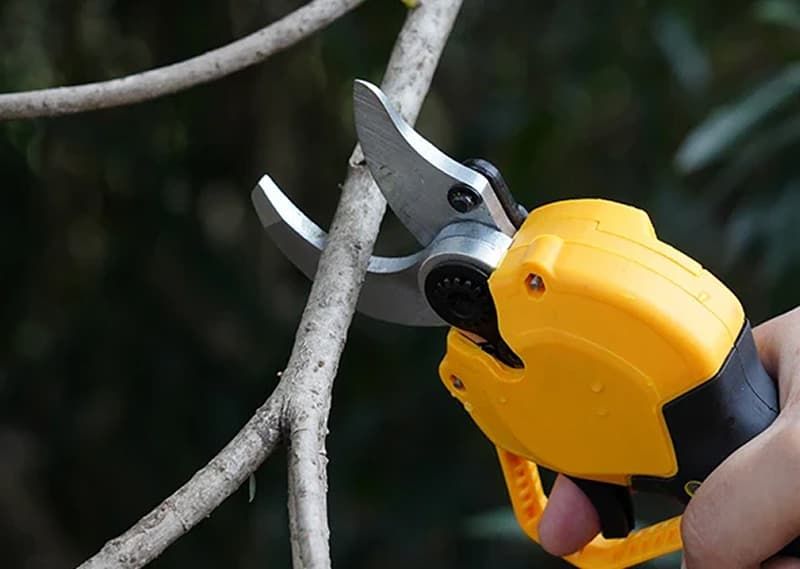
Cutting Capacity and What It Really Means
The initial specification to look at is cutting capacity which shows the largest branch diameter that the shears can cut. Consumer electric pruning shears are in the 20 to 30 millimeters range with the professional models potentially going over that limit. This figure is important as overloading the rated capacity could overload the motor and break blades and reduce the life of the tools. Gardens containing decorative shrubs and roses and vines require equipment that handles 20 to 25 millimeter sizes. You need to obtain equipment with higher ratings if your work involves trimming thick woody branches and fruit trees.
Cutting capacity also affects cut quality. The blades need enough power to cut through live wood because this method allows plants to heal faster and prevents disease spread. Selecting a model with capacity that slightly exceeds your expected requirements proves to be a practical choice.
Battery Type, Voltage, and Runtime
Lithium-ion batteries serve as the primary power source for almost all contemporary electric pruning shears. These batteries can be made lighter and more energy-dense, and cordless working with them is not a big burden due to their weight. The voltage ratings are usually between 12 and 21 volts. The tool becomes more powerful at higher voltage levels, but this results in increased weight for the equipment. The equipment measures runtime by counting the number of cuts that can be made with a complete battery, which depends on branch thickness that determines power usage.
Replaceable batteries enable users to work in large gardens during extended time periods. Certain systems are also compatible with other power tools having the same batteries, and this lowers total cost. Mid-range and premium models now include brushless motors which enhance efficiency, and motor and battery life, by reducing friction and heat.
Ergonomics and Weight Considerations
The equipment eliminates the need for users to perform repetitive squeezing actions, but it creates new ergonomic issues. The distribution of motor and battery system weight affects equipment balance but uneven weight distribution leads to wrist discomfort during extended operation. The most comfortable models of this product range between 350 grams and 550 grams and come with hand grips that have a rubberized surface.
Trigger sensitivity is another overlooked factor. Progressive triggers enable users to control blade movement through pressure application, which results in precise control for delicate pruning tasks. Ambidextrous designs provide advantages to left-handed users because they enable hand switching without creating extra physical demands. Gardeners who have limited grip strength and arthritis condition need ergonomic design features more than they require cutting power.
Safety Features You Should Not Ignore
Electric pruning shears serve as dangerous cutting devices, which require installation of safety features to protect users. Look for models with dual-action triggers or safety locks that prevent accidental activation. The shears come with an automated shutoff feature which stops blade operation when no signals are received for a designated time period.
Blade guards and protective covers are important during storage and transport. The equipment does not have protective gear, which results in blades becoming dangerous because users can touch them and blades will lose sharpness. Obvious safety signs and good locking systems are designed to show that the design is well thought and not cosmetic items.
Maintenance and Long-Term Ownership
The required maintenance tasks demand minimal effort yet they must be completed because they are necessary. The blades need cleaning after each use to remove all sap and dirt, followed by a light lubrication process to stop rusting. Users need to have blade replacement access because dull blades will cause their equipment to perform at lower efficiency.
The warranty and spare parts differ depending on the brand. The existing manufacturers are usually more supportive in the long run, which is important in case you intend to use the tool year after year. The initial performance of cheaper models will be satisfactory, but they will turn into disposable items once their parts stop working.
 Disclaimer:
The content provided on our blog site traverses numerous categories, offering readers valuable and practical information. Readers can use the editorial team’s research and data to gain more insights into their topics of interest. However, they are requested not to treat the articles as conclusive. The website team cannot be held responsible for differences in data or inaccuracies found across other platforms. Please also note that the site might also miss out on various schemes and offers available that the readers may find more beneficial than the ones we cover.
Featured Articles
-
 Travel
A Family-Friendly Weekend in Chestnut Hill, Philadelphia
-
 Travel
Who Qualifies for Airline Discounts and How to Figure it Out
-
 Health & Wellness
Wake Up with Purpose: Three Morning Habits That Keep Your Energy Steady All Day
-
 Finance
How a Christmas Club Account Can Make Holiday Spending Easier
-
 Travel
Discovering Cairo’s Layers of Time and Life
-
 Health & Wellness
Period Fatigue and How to Deal with It