


From Forgotten Furniture to Flourishing Garden Beds
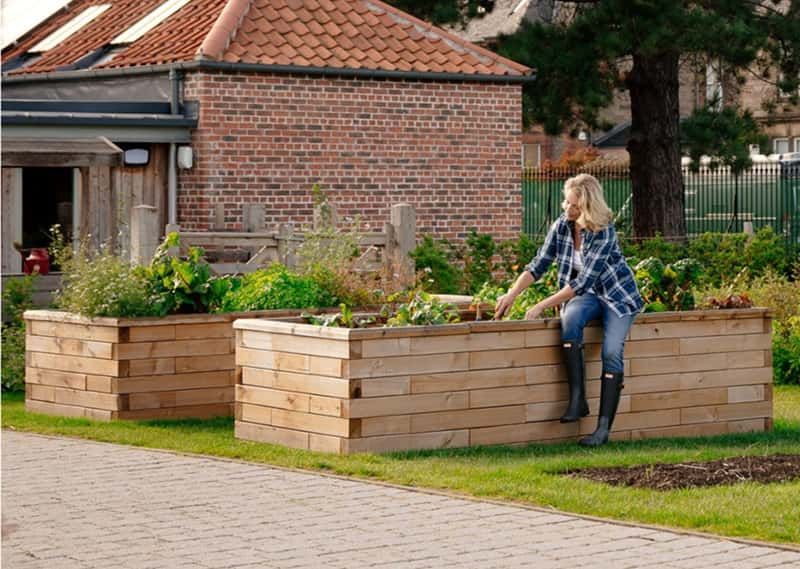
The old dresser drawer that sits unused in your garage contains hidden possibilities that you have yet to discover. The solid wood panels which would have gone to landfill instead become free materials for constructing a custom raised garden bed. The existing drawer scrap material enables you to create beautiful things because someone already completed the difficult process of cutting and joining and finishing the wood several decades ago. Your duty requires you to rethink how those elements should be positioned in your outdoor area.
Breaking Down the Drawer Completely
The first step requires disassembling your old drawer into individual components. The essential tools for this task include a flathead screwdriver and a rubber mallet and a pry bar which is useful for breaking apart tough joints. The construction of dresser drawers involves small finish nails or staples which are located at the corners thus enabling quick disassembly of the drawers. The starting point requires you to take away the bottom panel which consists of a plywood sheet that fits into side grooves. The mallet should be used for gentle tapping of corner joints after you have freed the device with your pry bar. Work slowly to avoid splitting the wood into smaller pieces. The process will allow you to separate four side panels and a bottom piece and possibly a decorative front panel within a time frame of ten minutes.
Measuring and Planning Your Bed Layout
The disassembled pieces of your drawer should be arranged on your lawn or driveway to test different design options. A standard dresser drawer measuring twenty-four inches wide and eighteen inches deep will give you enough material for a compact raised bed. Use garden poles and string to mark your desired bed dimensions directly on the ground. The area needs to have six hours of sunlight each day because vegetables require that particular amount of light to grow. The length and width and height requirements for your bed must be measured first before you determine which drawer panels to cut. Multiple drawer fronts can be joined together at their edges to form extended garden bed sections.
Cutting Panels to Size and Treating the Wood
Use an electric circular saw or a handsaw to cut the reclaimed drawer wood according to the dimensions that you have measured. To create an eight-inch raised bed from your sixteen-inch tall drawer panels you need to cut the panels into two equal parts lengthwise. Use eighty-grit sandpaper to smooth any rough surfaces which will help prevent splintering. The panels require wood protection because they will consistently touch damp soil which leads to wood decay. All surfaces should receive two coats of exterior-grade polyurethane sealer or water-based wood preservative with special attention given to cut edges which expose raw wood. Each coat requires complete drying before you can apply the subsequent one. Your garden bed will now last for five years instead of one season because of this particular process.
Installing Your Reclaimed Garden Bed
Use a spade to level the ground inside your marked plot, removing grass, weeds, and any rocks. Create a perimeter around your bed walls by digging a shallow trench which should reach a depth of two inches along the entire border. The trench creates a secure base for the wood by providing stability to your bed structure. The trench should receive your cut panels which you will position vertically while connecting the corners in a tight manner. Use pilot holes to secure each corner by driving three-inch exterior-grade screws through one panel into the edge of the adjoining panel. Before fastening the walls, check their plumbness using a carpenter's level. For enhanced stability, twelve-inch wooden stakes should be installed into the ground outside each corner and then screws should be used to connect the stakes to the bed walls. This method stops the sides from bending outward when you add soil to the bed.
Final Thoughts on Drawer Repurposing
The process requires you to secure the walls before you can line the base with landscape fabric which blocks weed growth and proceed to fill the area with topsoil and compost and peat moss. The reclaimed drawer wood will weather beautifully, developing a silvered patina that blends naturally into your garden while giving your vegetables the perfect growing environment.
 Disclaimer:
The content provided on our blog site traverses numerous categories, offering readers valuable and practical information. Readers can use the editorial team’s research and data to gain more insights into their topics of interest. However, they are requested not to treat the articles as conclusive. The website team cannot be held responsible for differences in data or inaccuracies found across other platforms. Please also note that the site might also miss out on various schemes and offers available that the readers may find more beneficial than the ones we cover.
Featured Articles
-
 Finance
Essential Types of Finance Every Beginner Should Understand
-
 Automotive
5 Professional Secrets to Get the Best Deals When Buying a Car
-
 Home & Garden
The Easiest and Most Secure Method to Clear the DrainPipe System
-
 Health & Wellness
How to Determine if You Have Colon Polyps?
-
 Travel
How to Find the Best Travel Package Deals Online
-
 Home & Garden
Six Household Items That Might Just be Damaging Your Indoor Air Quality