


A Practical Guide to Restoring and Protecting Garden Equipment
While winter might be thought of as a resting period for gardeners, this season is actually the busiest, as it provides a grace period to take care of garden tools that helped gardeners grow their crops throughout the year. This season gives gardeners an opportunity to take advantage of a slow period in plant growth, lack of soil activities, as well as flexibility in their schedules, making this period the best opportunity to attend to garden tool maintenance. Proper garden tool maintenance will prevent gardeners from dealing with rusty, blunted, and dangerous garden tools in spring.
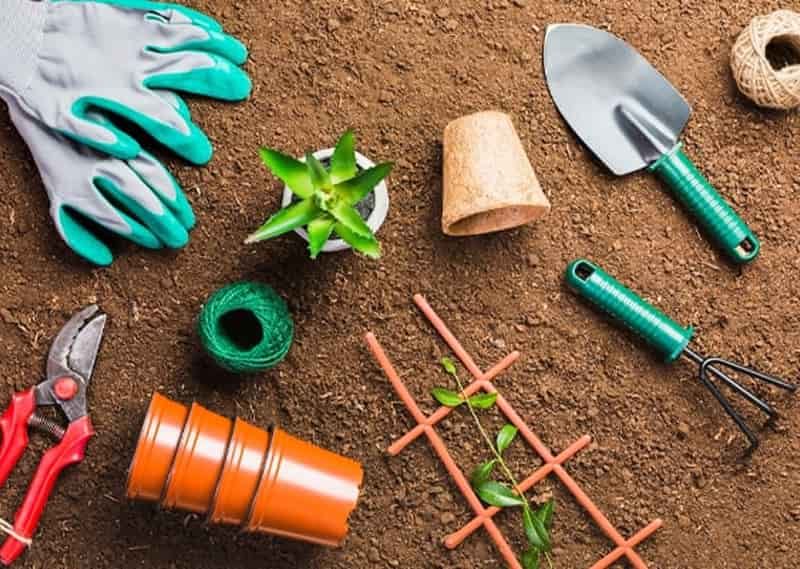
Begin With Deep Cleaning/Disinfection
Each maintenance procedure involves cleaning. Dirt harbors water, while water causes corrosion. You can remove dirt by beating off the dirt, scrubbing metal surfaces using a hard-bristled brush and warm water. Similarly, you can remove pruned sap using either rubbing alcohol or citrus-based cleaner. After cleaning, you need to dry tools using a cloth/towel. Although water is crucial in many procedures, you should avoid it in maintenance because water causes corrosion during winter storage. Tools used to handle diseased plants must be disinfected to ensure pathogens cannot survive until spring.
Rust and Other Metal Surfaces Removal
Light rust may be present and can be handled if taken care of early. Surface rust can also be removed with fine steel wool or a medium-grit sandpaper, but not the tool itself. In the case of heavier corrosion, it is advisable to moist the metal part in the white vinegar a few hours before scrubbing, to loosen the oxidation and hence the process. Rinse and dry the tool after rust removal. Repainted metal surfaces are as well appealing to the eye thus also lessening friction which makes digging, cutting and chopping more productive.
Sharpen Cutting Edges for Cleaner Work
Blunt weapons are less efficient and dangerous than sharp. Winter is the best season to sharpen since there is no dirt on the tools. Follow the original bevel with a metal file or sharpening stone on pruners, loppers, hoes, and spades. Work gradually and evenly, without grinding aggressively. Sharper cutting surfaces result in clean cuts, hence less damage to plants and reduced manual labor during normal operation.
Condition Handles and Lubricates Moving Parts
Wooden work handles must be taken as well care of as metal tools. Wood with time dries up and may crack particularly in enclosed rooms which are hot. Sand out rough areas and treat the area with boiled linseed oil or tung oil. Metal handles should receive a rubbing with oiled cloth. If tools have joints or springs in them, like in pruners, a single drop will keep things moving.
Inspect, Repair, and Replace When Needed
Winter garden equipment check and maintenance involves an inspection. You may note loose screws, tilted tines, broken handles, and blades. You should tighten loose screws and handles and replace any damaged parts. This may not be an important aspect during winter since the gardening season has not arrived. A loose garden handle and/or a broken garden blade may be inconvenient and pose a risk to your gardening activities.
Store Tools to Prevent Damage by Moisture
The last step in the winter tool care is to be properly stored. They are to be stored in a dry and well vented place like in a garage or a shed. Tools suspended in the air eliminate contact with the ground and avoid unintentional harm. You can store your hand tools in boxes with moisture protectors, while blades should be covered with a thin layer of oil before being stored. Battery tools should have batteries removed for storage in a moderate temperature setting.
By spending time in the winter season cleaning, sharpening, repairing, and storage of garden tools, gardeners are able to protect their investment by ensuring readiness when the soil is warm enough to start growing. The winter season thus becomes a time for preparation to make sure that all tools are ready when the growing season is due.
Consistent winter care also helps you become more familiar with your equipment, so you pay attention to changes in its balance or handling. Then you will naturally cultivate better technique, prevent injuries, and ease back into garden work when warmer months return.
 Disclaimer:
The content provided on our blog site traverses numerous categories, offering readers valuable and practical information. Readers can use the editorial team’s research and data to gain more insights into their topics of interest. However, they are requested not to treat the articles as conclusive. The website team cannot be held responsible for differences in data or inaccuracies found across other platforms. Please also note that the site might also miss out on various schemes and offers available that the readers may find more beneficial than the ones we cover.
Featured Articles
-
 Travel
Camp Safety Rules All Campers Must Learn
-
 Finance
Top 5 Retirement Accounts for Retirement Saving in 2025
-
 Home & Garden
From Forgotten Furniture to Flourishing Garden Beds
-
 Home & Garden
Electric Pruning Shears: What to Know Before Buying
-
 Automotive
A Down-to-Earth Guide for Checking Tread Depth and Why It Matters
-
 Travel
The Real Deal on Diverse Family Vacations in 2025