


Your Body After You Stop Drinking Alcohol
When you make the decision that you will stop consuming alcohol, you're not simply breaking a habit but also beginning a sequence of physiological changes that occur in a manner that feels like a carefully planned-out recovery process. This process occurs from hours through to several months, in which your body repairs the pathways that were being inhibited through alcohol use.
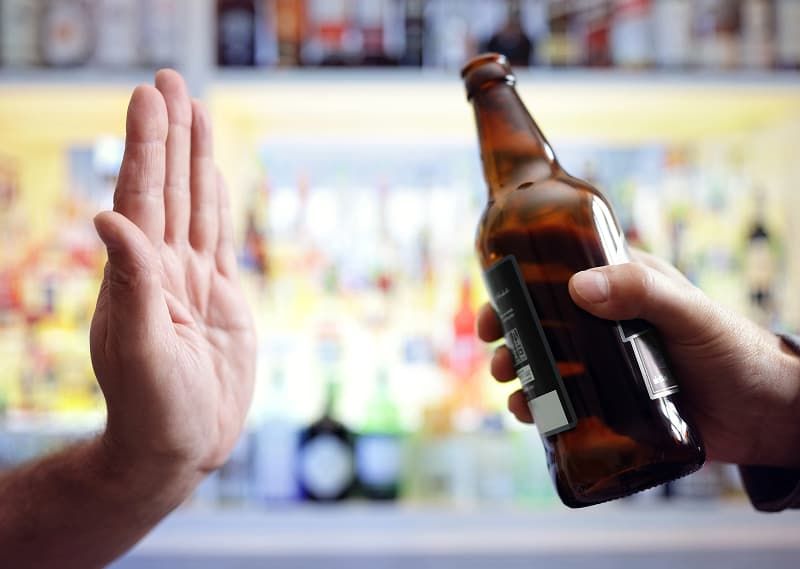
The First 24 Hours: When Your Brain Recalibrates
Your brain doesn't go into a celebratory mood about your sobriety quietly. Once alcohol clears out of your body, your nervous system undergoes a radical change. Your brain had been lagging because of the slowing effect alcohol has on it, like a chemical brake. Now that it's gone, your brain goes into a state of hyperarousal, and you can expect symptoms to start as soon as 6-12 hours after your last drink. But you can look forward to hand tremors, agitation, insomnia, mild headaches, and gastrointestinal upset. Believe it or not, all these symptoms will take a peak within 24-72 hours and then subside.
Days Two to Seven: When Visible Changes Start to Show Up
Throughout the day three, one of the most visible changes in your body starts. Alcohol is a diuretic which puts your kidneys to work and makes them urinate more water than usual. This dehydration is characterized by a dull inflamed skin. In a couple of days after you quit drinking, you will realize that your skin is rehydrating. Puffiness on your face and eyes goes down significantly as the alcohol interferes with your lymphatic system- the system that ensures that there is control of fluid in your body. You start to see an increase in your skin within a week and the flushed look becomes permanent.
At day seven, the quality of sleep is improved significantly. Alcohol disjoints your REM and slow-wave sleep patterns the ones that are most important in feeling refreshed. The first night of not drinking might be a little unsettling, but you can be sure that real relaxing sleep is back on day seven. Sleeping better leads to a cascade of effects: Your hunger hormone levels get back to normal (ghrelin), and so does the levels of the fullness hormone (leptin), and you have lots of energy.
Week Two: When Your Liver Shows Recovery
Two weeks is an important turning point for the liver. Medical studies from the University of College London show that fatty liver disease reverses itself in two to three weeks of complete sobriety. Your liver will not longer accumulate fat cells and will start to reduce excess fat deposits. If inflammation and early scar tissue in the liver resulted from booze, improvements will start in seven days of abstinence.
During this time, your blood sugar levels become more stable as your body's glucose regulation becomes normal again. This means no more energy dips and sugar cravings as in your drinking days. Also during this time, your immune system gets boosted, as heavy drinking inhibits your immune system by lowering your white blood cell count, and after two weeks of staying sober, your body becomes capable of fighting off pathogens more effectively.
Weeks Three and Four: Cognitive and Cardiovascular Gains
Now, by week three, if your blood pressure had been raised by the alcohol, this will begin to normalize. It will be common at this stage, in terms of your health, to talk about changes in your medications with your physician.
Improvements in cognition are found faster than imagined. A major study in professional journals showed a 63 percent improvement in the memory-related functions that had shown deficiencies in chronic alcohol patients in the 18th day of abstention from alcohol in those with severe alcohol use disorder. Verbal fluency was improved in 100 percent of the individuals. Your hippocampus, the memory formation center in the brain, works more effectively.
Beyond One Month: Long-Term Reconstruction
Within four weeks, the levels of your liver enzymes become normal in the case of a fatty liver. Your skin also appears healthier as the level of collagen in the skin increases. Your consumption of alcohol resulted in oxidative stress in your body, leading to the damage of your skin mitochondria due to the increased level of AGEs, thus breaking down your skin’s collagen and elastin fibers.
In three months, most individuals notice a marked improvement in energy levels, mental clarity, and overall emotional well-being. By reaching the six months mark, for those with less serious liver cirrhosis, liver function has now returned to normal. The return on your sobriety investment continues to grow with each day that passes in sobriety.
It is no instantaneous or spiritual conversion that takes place when you stop drinking, but rather the inevitable outcome that follows from the healing power that your body has.
 Disclaimer:
The content provided on our blog site traverses numerous categories, offering readers valuable and practical information. Readers can use the editorial team’s research and data to gain more insights into their topics of interest. However, they are requested not to treat the articles as conclusive. The website team cannot be held responsible for differences in data or inaccuracies found across other platforms. Please also note that the site might also miss out on various schemes and offers available that the readers may find more beneficial than the ones we cover.
Featured Articles
-
 Travel
Flight Habits to Let Go for a Comfortable Ride for Yourself and Your Fellow Travelers
-
 Finance
Five Good Reasons to Invest in Renter’s Insurance
-
 Travel
Why Travel Insurance is a Vital Investment for Travelers Today?
-
 Automotive
5 Professional Secrets to Get the Best Deals When Buying a Car
-
 Finance
Distinctive Characteristics of Term Life Insurance Differ from Those of Universal Life Insurance
-
 Home & Garden
Is a Dishwasher for Your New Home a Right Choice?