


Do You Really Need a Bitcoin Credit Card?
Bitcoin credit cards find themselves in that nether world between traditional consumer finance and the cryptocurrency economy. And where they promise some rewards to their owners in bitcoin as opposed to, say, cash back or airline miles, they pose a practical question to curious potential consumers. Is one really earning bitcoin through a purchase made on groceries when perhaps something else magically gives? Otherwise, doesn't this add an element of risk to what otherwise is an acceptable routine? Understanding a bit more about what these cards give you and, perhaps more importantly, what they take away from you without telling you, is essential before deciding to just stick one in your wallet.
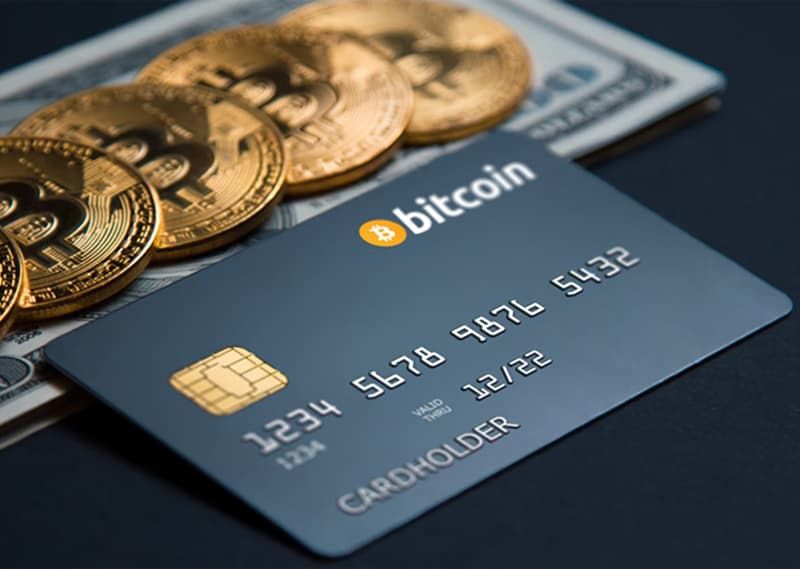
In functional terms, a bitcoin credit card behaves like any regular credit card. You apply, are given a credit limit, and make purchases everywhere that the major card networks are accepted. The difference shows up after the transaction is settled. Rather than points or dollars, a percentage of your spending is provided back in bitcoin at the market price on the day that the reward is given. That bitcoin is generally deposited into an account with a cryptocurrency exchange partner and not directly onto the card.
The attraction is clear. Bitcoin rewards give exposure to an asset that has appreciated tremendously, at least for certain longer-term intervals, despite extreme volatility. If the price of bitcoin rises between the moment it is earned and the time it is redeemed, then the effective value of your rewards is also increasing without any further effort on your part. A couple of dollars in rewards on day-to-day purchases can become something meaningful, especially for someone already conceiving of bitcoin as a long-term store of value.
The psychological barriers to new users are removed by the Bitcoin Credit Card. Instead of putting down a lump sum to purchase Bitcoin, users can slowly accumulate it in tiny amounts through transactions they would do anyway. This "set it and forget it" strategy tends to feel less intimidating than active trading on an exchange, promoting regular exposure instead of emotional buying in the midst of market fervor.
But, of course, that volatility allows for gains; it also works very much in the opposite direction. The value fixed to the rewards is never fixed. If, after the issuance of rewards, the market drops in a pronounced way, the bitcoin you've earned would be worth considerably less at issue than dollar value. With Bitcoin's behavior, however, there isn't an assurance of any type of floor. For someone who is rewarded and expects a value to hold steady, these fluctuations are disorienting and potentially disappointing.
For this reason, many of the first-time users fail to see all tax implications. In many jurisdictions, receiving bitcoin rewards is considered tax-neutral and concerns arise when said bitcoin is sold or spent. This means that, in essence, an extra layer of record-keeping will be added to help complement traditional credit card rewards, which are considered tax-neutral. Inadequate tracking turns small rewards into larger administrative headaches.
Credit fundamentals still do matter; with an interest rate equal to, or not greater than, that of standard rewards cards, any carried balance would almost immediately offset any value of the earned bitcoins. Those cards come in handy for users who regularly clear their bills. In other cases, it's likely that the cost of borrowing would have exceeded the speculative gain in crypto.
Another trade-off involves platform dependence. Most bitcoin credit cards require you to hold rewards on a specific cryptocurrency exchange. This means your rewards are subject not only to market risk but also to the operational security of that platform. While major exchanges invest heavily in safeguards, history shows that exchange outages, account freezes, or policy changes can affect access to funds.
For the right user, a bitcoin credit card can make sense. It suits people who already use credit responsibly, believe in bitcoin's long-term potential and are comfortable with price swings. For them, rewards are not spending money but a speculative asset accumulated passively. For others, who prioritise predictability, simplicity and guaranteed value, a conventional cash-back card remains the safe and sensible option.
When choosing wisely, it is essential that the card fits well into your total financial habits and risk tolerance. If the bitcoin rewards seem exciting but rather confusing, put a brake on that application. While the idea sounds interesting, a rewards credit card should fit into your overall focus, not add a layer of complication to it, especially considering how volatility, regulations, and long-term views are all still evolving in the crypto economy today.
 Disclaimer:
The content provided on our blog site traverses numerous categories, offering readers valuable and practical information. Readers can use the editorial team’s research and data to gain more insights into their topics of interest. However, they are requested not to treat the articles as conclusive. The website team cannot be held responsible for differences in data or inaccuracies found across other platforms. Please also note that the site might also miss out on various schemes and offers available that the readers may find more beneficial than the ones we cover.
Featured Articles
-
 Automotive
The Ultimate Guide to Finding Your Vehicle with a Smartphone
-
 Automotive
China’s EV Powerhouse, GAC Motor, Rolls Out Groundbreaking
-
 Health & Wellness
Earlier Signs of Liver Damage That Nobody Should Ignore
-
 Travel
Top Motivational Cycling Loop Tracks for Cyclists
-
 Automotive
Volkswagen’s Next-Generation EV Battery Could Deliver 620 Miles in Any Weather
-
 Home & Garden
8 Simple Rental Upgrades That Feel Like Home