


-
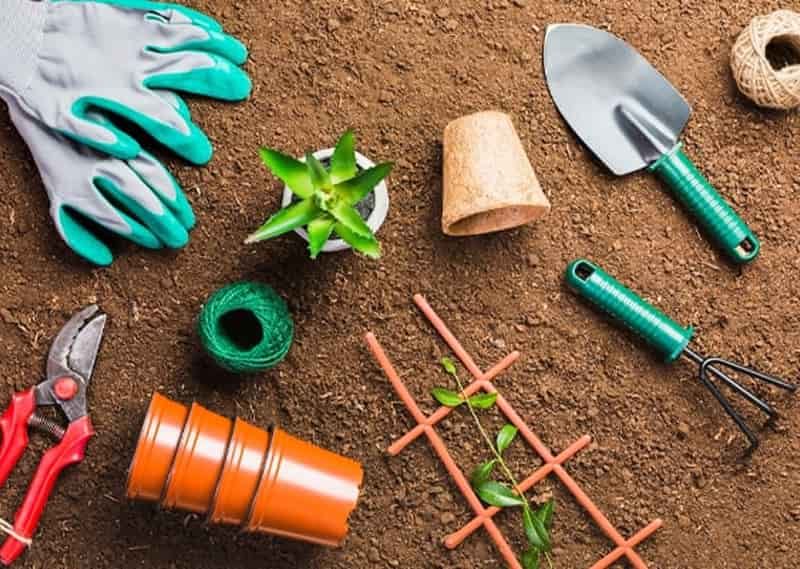 A Practical Guide to Restoring and Protecting Garden Equipment
While winter might be thought of as a resting period for gardeners, this season is actually the busiest, as it provides a grace period to take care of garden tools that helped gardeners grow their crops throughout the year. This season gives gardeners an opportunity to take advantage of a slow period in plant growth, lack of soil activities, as well as flexibility in their schedules, making this period the best opportunity to attend to garden tool maintenance. Proper garden tool maintenance will prevent gardeners from dealing with rusty, blunted, and dangerous garden tools in spring.
-
 Unexpected Areas Your Cleaning Schedule Doesn’t Reach
Your house might appear to be immaculate following an intense weekend cleaning spurt, yet, one might find under the cover of all the normal cleanliness, a world of dust accumulation, dust mites and forgotten corners of the house that are silently working against you. The distinction between an honestly clean house, and the one that is just pretending comes in recognizing and dealing with those lurid areas which are not well covered by the normal routine cleaning procedures.
-
 The Brilliant Economics of Switching to LED Lighting: Your Path to Smarter Energy Spending
A relic of over a century ago, the traditional incandescent light bulb has become expensive in today's homes. Though a number of households still use these warm-glowing fixtures, they unfortunately represent a huge drain on energy budgets that most families do not even realize. This is why the good news can be quite simple: changes to light-emitting diode bulbs yield such big savings that the question is no longer whether you should switch but why you haven't already.
-
 Five Foods You Should Stop Putting in That Nonstick Pan
Nonstick pans are the commonplace of numerous kitchens, slick and convenient and perfect when it comes to tasks that are low-temperature such as scrambling eggs or sautéing delicate fish. However, with some foods, they are a poor option and by using them even further, you reduce the life of your pan or even risk food quality. The following are 5 types of foods you must reconsider cooking in nonstick skillet, and why each of them can be a nightmare.
-
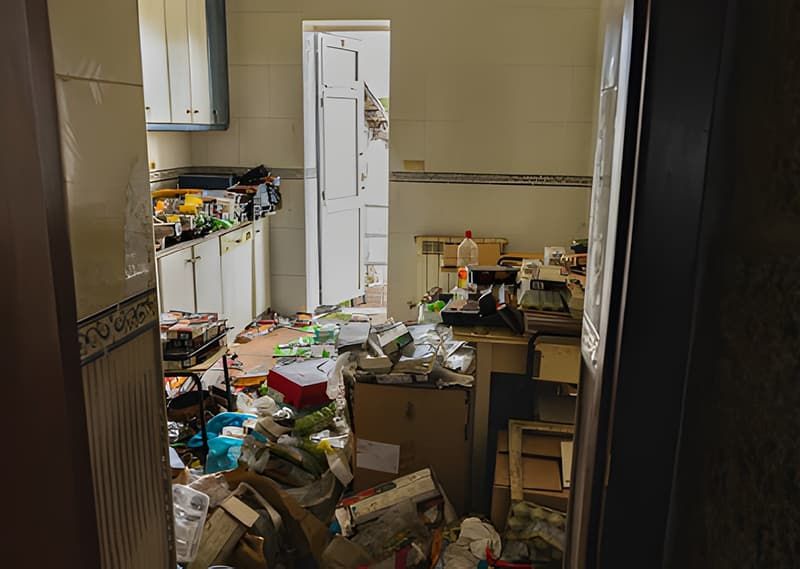 Six Household Items That Might Just be Damaging Your Indoor Air Quality
When you think your house is stuffy, your eyes itch or your throat burns but there is nothing about it, the culprit may not be as obvious. The content of indoor air may contain very high concentrations of pollutants- it may even be higher than outdoors. The United States Environmental Protection Agency (EPA) suggests that most of the construction materials and household items emit gases or particles that deteriorate the quality of air. Here is a closer examination of six everyday household products that can silently suffer the air in your house.
-
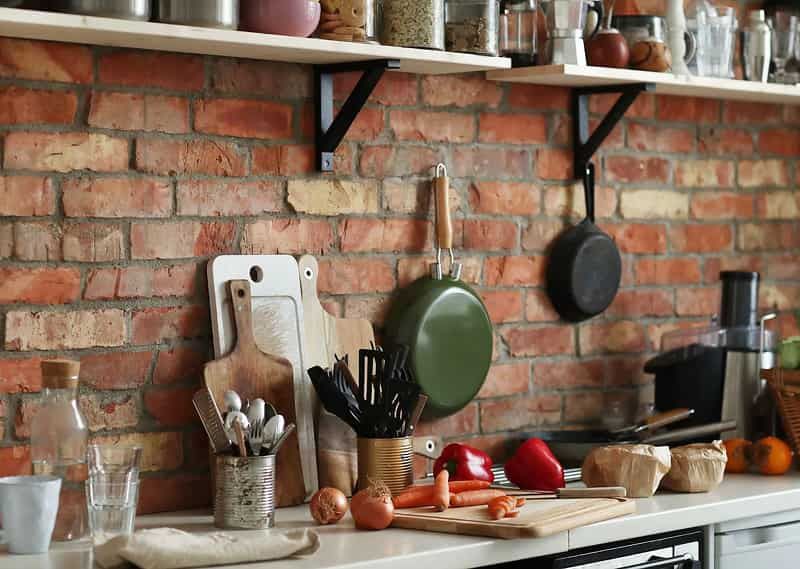 8 Kitchen Implements Chefs Depend on but Home Cooks Overlook
Most home cooks rely on the usual suspects — knives, pans, and possibly a blender. But professional chefs insist that real efficiency and beauty are achieved with smaller, lesser-known tools that tidy up prep, speed it up, and make it more precise. They are not flashy gadgets but quiet necessities that elevate food handling, cooking, and plating to new heights. Follow are eight lesser-known tools that chefs never leave the kitchen without — and why you should make them indispensable to you as well.
-
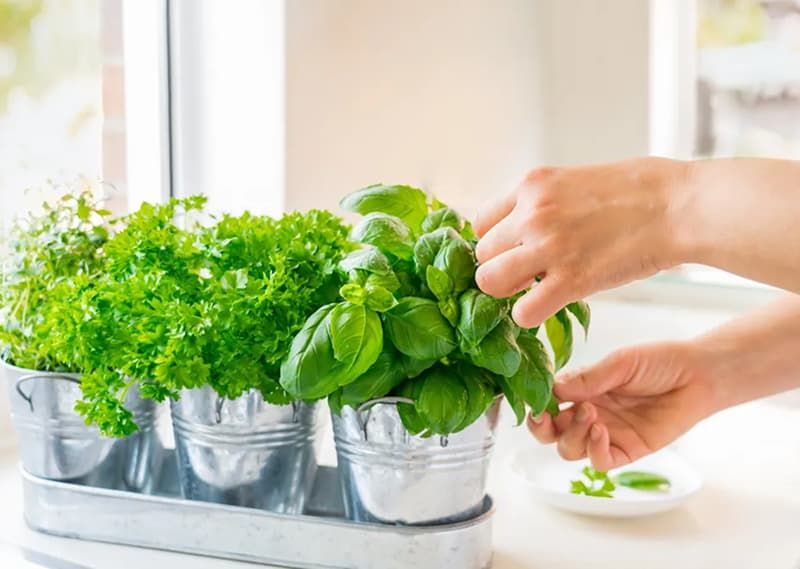 Houseplants That Keep Your Kitchen Bug-Free
There can nothing be more irritating than insects infesting your kitchen. When you are about to cook, flies, ants and mosquitoes always appear. Although they can be sprayed with chemicals, they are not the healthiest when it comes to areas where meals are prepared. Fortunately, there are less risky greener alternatives in the form of house plants. Emitting scents and oils that repel insects produced by nature, these plants can keep your kitchen clean and tidy besides giving the room beauty and a fresh smell.
-
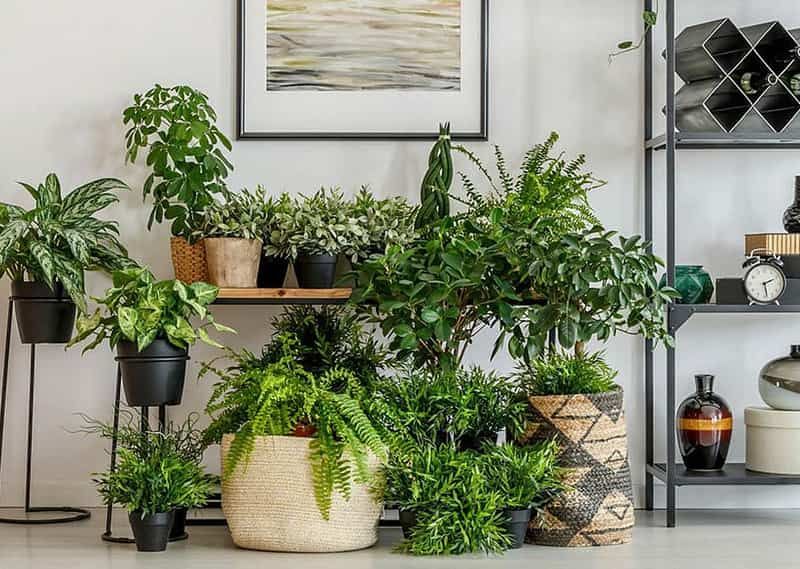 Eight Hardy Green Beauties to Clean Air in Dark Corners.
The indoor air quality has a significant influence on our health and well-being, but we often do not realize the potential of greenery that can clean the air without causing any noise and without being out of fashion. In spaces where soft shadows prevail, such as north-facing living rooms, windowless offices, warm bedrooms, it may seem like a challenge to select plants that grow well in low light and remove toxins in the air. In this case eight botanical champions take their place on the stage, each possessing an air-cleaning ability that is clearly known, and with which can endure low light. These green providers not only carry formaldehyde, benzene and other common pollutants, but they do not require much ado either. Get them to be your silent watchmen of fresh, healing air.
Trending Articles
-
01.
How to Choose the Right Dental Insurance and What Are They
-
02.
Best Workout Apps that Can Meet All Your Needs Using Only a Smartphone
-
03.
Home and Garden Items That Rarely Need to Be Bought New
-
04.
Decide What to Do with Your Retirement Investments for a Secure Future
-
05.
Five Yoga Poses that Help You Sleep Well before You Go to Bed
-
06.
How to Create a Low-Maintenance Vegetable Garden