


Cupping Therapy Demystified: Ancient Suction and the Evidence Behind Modern Pain Relief
Cupping therapy is a hands-on therapy where suction is applied to the skin to affect muscles, circulation, and pain receptors. Although it is often referred to as alternative or traditional therapy, cupping is a decidedly non-allopathic therapy that has an easily retraced history. The early version of cupping is described in old medicinal books from China, Egyptian cultures, and the Middle East as being done either from an animal horn, bamboo cupping tools, or from ceramic bowls. The more modern version can be done from glass, plastic, and silicone cups that create a controlled suction effect on the skin.
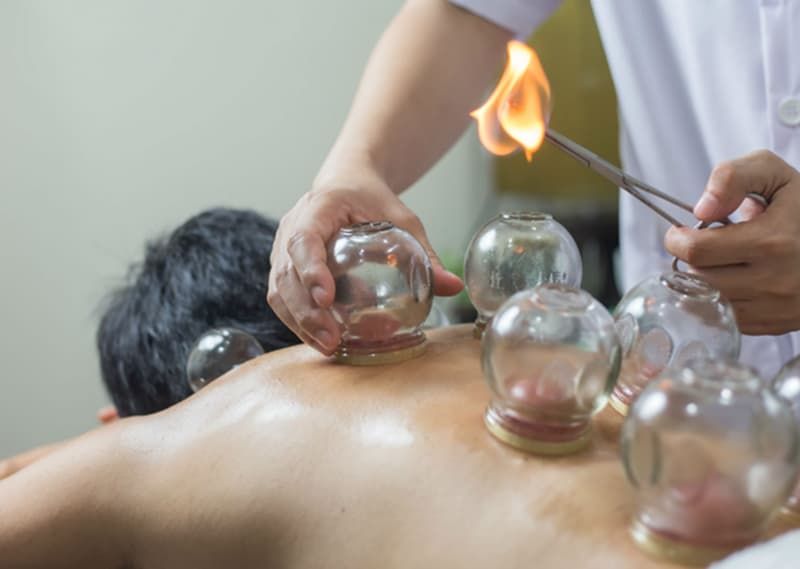
How Cupping Therapy Is Performed
In a normal cupping treatment, the practitioner applies the cups to certain points on the body, usually the back, shoulders, or upper thighs. The suction is created either by briefly heating the air inside a glass cup or by attaching a hand-operated pump to a plastic cup. The negative pressure pulls the skin and the superficial muscles into the cup. The cups are left in place for a few minutes and removed by the practitioner in the case of dry cupping or after making a few incisions after suction, during wet cupping, by removing a limited amount of blood along with the blood sucked into the pores by the vacuum created by the cups, resulting in the formation of the circles that eventually vanish in a few days as the capillaries break.
Claims and Proposed Mechanisms of Action
Relief from pain represents the primary contemporary application of cupping therapy sought after by many individuals. One of the proposed reasons why cupping therapy works for pain relief lies in the increased blood flow advocated by its supporters as responsible for the delivery of oxygen and nutrients to tense or injured muscle areas. The nervous system represents another proposed mechanism responsible for the pain relief effects of cupping therapy. This is based on the stimulation generated by the suction triggered within the nervous system, responsible for the pain relief caused by the therapy, based on the fact that changes in skin temperatures and blood perfusion are detectable after the therapy.
What Research Shows About Pain Relief
Scientific studies conducted on cupping therapy are complex in nature. There are clinical trials that offer short-term relief in pain caused due to chronic lower back pain, cervical pain, and knee osteoarthritis pain conditions. Certain studies indicate improvement in pain and functional motion when compared with no treatment or conventional care alone. All studies carried out agree that there are limitations in their findings due to a small sample population that fails to define a placebo control in suction therapies.
Potential Benefits Beyond Pain
Cupping is also widely used in sports and physical rehabilitation programs. It has long been employed in Sports Medicine as a means of treating muscle tightness and post-exercise soreness. Cupping leads to reports of improved muscle mobilization post-treatment, perhaps due to the transient changes it induces in muscle stiffness and connective tissue hydration. Cupping-induced decreases in myofascial stiffness in the deeper muscle groups have a plausible basis, according to laboratory evidence.
Risks and Side Effects
There are Despite the increasing popularity of cupping therapy, the procedure is not without risk. The marks appearing on the skin can be easily confused with bruises or injuries. Additionally, mild tenderness is frequently felt. Wet cupping has a small risk of infection if the procedure is not conducted using aseptic methods. Although rare, other complications such as burns or discoloration of the skin have been documented when cupping therapy has been improperly conducted. Therefore, cupping therapy should be conducted by a trained practitioner.
Cupping in Context: Complementary, Not Primary
Used Physicians consider cupping to be a complementary modality, using it in addition to more primary forms of treatment. For the treatment of pain specifically, cupping might be considered in addition to or in the place of exercise or physical therapy. While cupping treatment does not cure the condition for which the procedure is applied, it may be of benefit to patients to have the ability to more comfortably experience symptoms. It is important for patients to approach the treatment with good information.
 Disclaimer:
The content provided on our blog site traverses numerous categories, offering readers valuable and practical information. Readers can use the editorial team’s research and data to gain more insights into their topics of interest. However, they are requested not to treat the articles as conclusive. The website team cannot be held responsible for differences in data or inaccuracies found across other platforms. Please also note that the site might also miss out on various schemes and offers available that the readers may find more beneficial than the ones we cover.
Featured Articles
-
 Home & Garden
Houseplants That Keep Your Kitchen Bug-Free
-
 Finance
Should You Hire Identity Theft Protection Services to Safeguard Your Finances?
-
 Automotive
Unlock the Benefits of Oil Change Coupons for Drivers
-
 Automotive
Why a Used Toyota Is a Smart Investment
-
 Home & Garden
8 Kitchen Implements Chefs Depend on but Home Cooks Overlook
-
 Home & Garden
6 Smart Devices That Need Alexa for a Smarter Home Life